
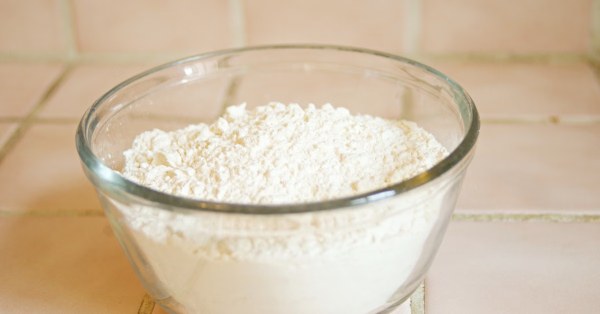
The quality of zinc oxide depends heavily on the precision of the production process, ranging from raw material selection to temperature control and product purification. Each stage requires consistent control to ensure the final characteristics meet industrial requirements. The zinc oxide manufacturing process also determines the particle size, purity level, and color, as well as the physical and chemical properties of the zinc oxide.
The Zinc Oxide Manufacturing Process Begins with Raw Materials
Production begins with the selection of suitable raw materials. Depending on the production method, the industry may use zinc metal, zinc ash, zinc ore, or other zinc based materials. The quality of the raw materials influences the purity level of the final product.
Manufacturers then prepare the materials through specific processes to remove impurities. This stage helps maintain material consistency before the main process begins.
Reaction and Temperature Control
The zinc oxide manufacturing process requires precise temperature control. In certain methods, manufacturers heat zinc until it forms zinc vapor. This vapor then reacts with oxygen to produce zinc oxide.
Temperatures that are too high or too low can affect product characteristics. Therefore, the production system must maintain consistent operating conditions throughout the reaction.
The Oxidation Stage Produces Zinc Oxide
During oxidation, zinc reacts with oxygen to form zinc oxide. This reaction generates particles that subsequently undergo collection and further processing.
Controlling airflow, temperature, and reaction time helps maintain particle characteristics. Process conditions also influence the size and structure of the resulting zinc oxide.
Product Purification and Collection
After zinc oxide formation, the material passes through a separation system to reduce foreign particles and residues. Equipment such as filters, cyclones, or particle collection systems facilitates this stage.
A controlled zinc oxide process yields material with superior purity and consistency. Manufacturers then inspect the product’s physical and chemical characteristics.
Quality Control in the Production Process
Quality control plays a role at every stage of production. Inspections may cover purity, particle size, color, zinc content, and other characteristics in accordance with product specifications.
Test data helps ensure the product meets established standards. Consistent controls also ensure stable quality across batches.
The zinc oxide manufacturing process involves a series of controlled stages, ranging from raw material selection, the oxidation reaction, and temperature regulation to purification and quality control. Each stage influences the characteristics of the final product. A precise process helps produce zinc oxide of consistent quality that meets industrial requirements.